Cross Stitch Basic Hydrangeaceae Review for Real Projects
As an experienced embroidery designer who frequently sources design assets for client work, I approach every new download with a mix of excitement and caution. The market is flooded with digital files, but few offer the specific charm needed for high-quality handmade products. Recently, I evaluated the Cross Stitch Basic Hydrangeaceae from Creative Fabrica to determine if it was suitable for a real-world commercial order involving custom apparel and home decor items.
This review focuses on how this embroidery file performs when moved from the screen to the hoop, specifically looking at its viability for small business owners, Etsy sellers, and crafters who need reliable results.
First Impressions: Visual Mood and Design Personality
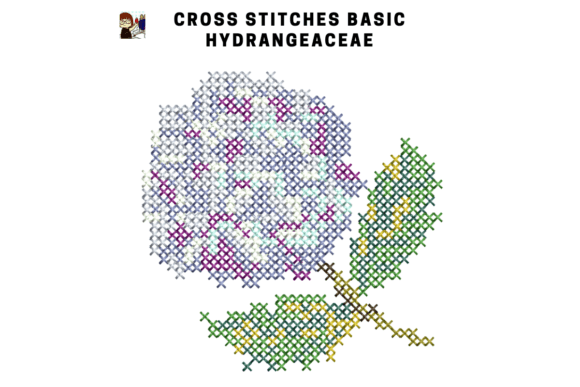
The moment I opened the design preview, the aesthetic of Cross Stitch Basic Hydrangeaceae stood out immediately. Unlike many modern digitizations that prioritize speed over texture, this piece captures the nostalgic, pixel-perfect look of traditional hand cross-stitch while maintaining the precision required for machine execution. The visual mood is soft, inviting, and inherently cozy.
The description highlights "beautiful sorted colors," and upon inspection, this holds true. The color palette is curated to ensure smooth transitions between shades, which is critical for a flower design like hydrangeas. In the context of the Single Flowers category, this design offers a level of decorative appeal that feels both classic and contemporary. It does not scream "digital" in a harsh way; instead, it whispers "handmade."
For designers building a brand around rustic or cottage-core aesthetics, this machine embroidery design provides the perfect foundation. It has a natural stitch density that suggests depth without becoming overwhelming. The running stitch elements mimic the back-and-forth motion of handwork, adding a layer of authenticity that customers often associate with premium quality.
Real-World Application: From Screen to Finished Product
I tested the potential of Cross Stitch Basic Hydrangeaceae across several common product categories to see how it translates physically. The versatility of this design is one of its strongest selling points.
- Tote Bag Design: The clean lines and defined shapes of the hydrangea bloom make it ideal for canvas tote bags. The contrast against plain cotton or linen is striking, creating a professional look that elevates a basic accessory into a boutique item.
- Sweatshirt Embroidery: When applied to fleece or heavy cotton blends, the design adds a touch of elegance to casual wear. The cross-stitch style works particularly well here because it sits slightly raised, offering a tactile experience that standard satin stitches lack.
- Kitchen Towels and Aprons: This is where the design truly shines. The floral theme fits perfectly in a kitchen setting. Whether used as a standalone motif or part of a larger seasonal collection, it adds warmth to functional items.
- Baby Blankets and Nursery Decor: The softness of the hydrangea shape and the gentle color sorting make it a safe and beautiful choice for baby items. It conveys a sense of care and tenderness that parents look for in personalized gifts.
Furthermore, for those creating printable mockups for their online stores, this design offers excellent visual representation. It photographs beautifully, allowing you to showcase your finished product with clarity and appeal.
Technical Performance and Practical Considerations
While the visual appeal is undeniable, the true test lies in the technical execution. As a designer, I must consider how the stitch density interacts with different fabrics and stabilizers.
Stitch Density and Detail: The design features a balanced approach to fill stitches. It avoids the pitfalls of overly dense areas that can cause puckering, especially on lighter fabrics. However, when working with very small hoop sizes, the intricate details of the petals may require careful thread management. If you are planning to use this for tiny lettering or extremely small patches, I recommend testing the resolution first to ensure the individual "crosses" remain distinct.
Fabric Compatibility: This embroidery file performs exceptionally well on woven fabrics like cotton, linen, and denim. The cross-stitch simulation relies on straight stitches, which hold up well on textured surfaces. However, caution is advised when using stretchy fabrics such as jersey knits without proper stabilization. For these materials, a cut-away stabilizer is essential to prevent distortion during the washing process.
Dark Fabrics and Contrast: One of the strengths mentioned in the product description is the ability to look good on any fabric. While the design itself is adaptable, the success on dark backgrounds depends entirely on your choice of thread colors. The design includes a range of shades, but ensuring high contrast between the flower and the background fabric is crucial for visibility. Always check the color separation before committing to a large production run.
Curved Surfaces: For projects like caps or rounded patches, the curvature of the hydrangea head allows it to follow the shape of the object naturally. The segmented nature of the cross-stitch pattern helps it lay flatter on curved surfaces compared to solid block fills.
Impact on Product Value and Brand Trust
In the world of handmade goods, presentation is everything. Using a high-quality design like Cross Stitch Basic Hydrangeaceae directly influences buyer trust. Customers can often tell the difference between a generic, low-resolution stamp and a thoughtfully digitized piece of art.
This design contributes to brand consistency by offering a cohesive look that feels intentional. When you sell a set of matching kitchen towels or a line of embroidered pillows, having a unified design language is vital. The hydrangea motif is universally liked, making it a safe bet for mass-market appeal while still feeling unique enough to stand out in a crowded marketplace.
Additionally, the "cross-stitch" aesthetic appeals to buyers who value the artisanal touch. Even though it is a commercial embroidery project, the visual result mimics the labor-intensive nature of handcrafting, which justifies a higher price point for your handmade product.
Essential Notes for Success
Before you download and start stitching, there are a few practical steps every designer should take to ensure a flawless outcome.
- Test on Scrap Fabric: Never skip this step. Run a test stitch on a scrap of your actual production fabric to check for tension issues, thread breaks, or unwanted puckering.
- Review File Details: Check the product page on Creative Fabrica for specific file formats and recommended hoop sizes. Ensure the design matches your machine's capabilities.
- Confirm Licensing: If you plan to sell finished items, carefully read the license terms provided on the product page. Understanding the rules regarding digital embroidery file usage is critical for legal compliance.
- Inspect Small Details: Zoom in on the design to ensure the smallest elements will not get lost after stitching. Sometimes, what looks clear on a screen becomes indistinct in thread.
- Use Proper Stabilizer: Depending on your fabric weight, choose the right stabilizer (cut-away, tear-away, or wash-away) to support the fill stitch areas and maintain the shape of the flower.
Ultimately, Cross Stitch Basic Hydrangeaceae is a strong contender for anyone looking to add a touch of floral elegance to their portfolio. Its sorted colors and cross-stitch personality make it a versatile tool for everything from seasonal gifts to permanent additions to custom apparel. By understanding its technical requirements and leveraging its visual strengths, you can create stunning embroidered patches, tote bag designs, and more that will delight your customers.