Damascus Set: A Designer's Review for Boutique Apparel
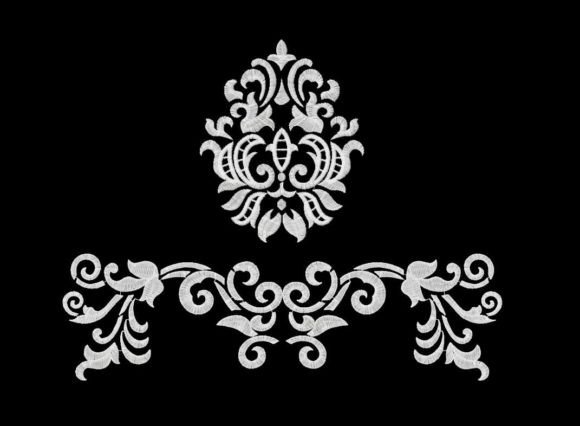
As an experienced embroidery designer who spends hours refining stitch patterns and testing fabric combinations, I am always on the lookout for digital files that elevate a collection. Recently, I came across the Damascus Set on Creative Fabrica, and it immediately caught my eye for its potential in high-end boutique apparel. This machine embroidery design is categorized under Intricate Cuts and Embroidery, featuring a beautiful white work style created with the Richelieu technique. Before I commit to using this design for a new line of sweatshirts and hoodies, I want to share my honest perspective on how this file performs, where it shines, and what practical considerations every creative entrepreneur should keep in mind.
The Visual Personality of Damascus Set
When you first open a digital embroidery file, the visual personality is often the deciding factor. The Damascus Set exudes a classic yet sophisticated mood. Unlike standard fill stitches that can feel flat or generic, the Richelieu technique implies a delicate cutwork aesthetic that mimics hand-stitched lace. This gives the design a premium feel that stands out against modern streetwear fabrics. It feels less like a casual graphic print and more like a piece of art integrated into the garment.
For a small clothing brand or an Etsy seller looking to differentiate their shop, this design offers a unique selling point. The intricate details suggest femininity and elegance without being overly fussy. It strikes a balance between rustic charm and trendy minimalism. When placed on neutral tones like oatmeal, sage, or soft grey, the white work style pops beautifully, creating a subtle texture that catches the light. However, the bold nature of the cutwork also means it demands respect; it is not a background element but a focal point that requires thoughtful placement.
Applying Damascus Set to Sweatshirts and Hoodies
I have been planning a new collection focused on oversized garments and cozy seasonal outfits, and I see significant potential for the Damascus Set here. Imagine a soft, heathered charcoal hoodie with the design embroidered on the left chest. The contrast between the heavy fleece texture and the delicate white work creates a tactile luxury that customers love to touch. For a back design, perhaps spanning the shoulder blades, the intricate cuts would add a layer of depth that makes the garment look custom-made rather than mass-produced.
This design also translates well to sleeve accents. A smaller iteration of the pattern near the cuff can add a surprising detail that customers discover when they roll up their sleeves. For pastel hoodies, the white work might blend slightly, so choosing thread colors that offer just enough contrast is key. If you are working with dark apparel, such as navy or black, you might need to adjust your thread selection to ensure the design remains visible, or embrace the tonal look for a very subtle effect.
Beyond hoodies, I envision this design on denim jackets. The sturdy nature of denim supports the density required for Richelieu techniques, allowing the cutwork to hold its shape without sagging. T-shirts made from high-quality cotton can also benefit, provided the fabric has enough body to support the embroidery without wrinkling. For tote bags and lifestyle product photos, the Damascus Set adds a professional polish that elevates the perceived value of the item.
Strategic Placement for Maximum Impact
When integrating this design into your product line, placement is everything. While it looks stunning as a central back motif or a large chest piece, caution is needed for small chest placements. The intricate nature of the Damascus Set requires space to breathe. If the design is too crowded, the delicate threads may get lost or the cutwork may distort during washing.
Consider the stretchiness of the fabric. Fleece and ribbed fabric can be tricky with dense stitch areas. If the garment stretches significantly, the embroidery might pucker or the cutwork could tear if not stabilized correctly. Curved surfaces, such as the front of a cap or the rounded shoulder of a fitted tee, require careful hooping to ensure the design lays flat. Tiny lettering is not recommended alongside this design, as the focus should remain on the main motif.
Elevating Brand Identity and Product Value
In the world of handmade products and commercial embroidery, the quality of your stitching directly influences buyer trust. Using a design like Damascus Set signals to your customer that you care about details. It transforms a simple sweatshirt into a boutique brand item. When a customer sees a well-executed Richelieu design, they associate that quality with the entire brand, leading to higher product recognition and repeat purchases.
For digital sellers and those creating printable mockups, this design provides excellent visual consistency. Whether you are listing items on Etsy or running social media graphics, the clean lines and intricate details photograph well. It helps create a cohesive aesthetic across your storefront. When done right, the finished product becomes a conversation starter, increasing customer engagement and word-of-mouth marketing for your small shop.
Practical Notes for the Embroidery Designer
Before you start producing your collection, there are several technical steps you must take to ensure success. First, always test on scrap fabric that matches your final garment. Different batches of fleece or cotton can behave differently under the needle. Check your stabilizer choice carefully; for a design involving intricate cuts, a cut-away stabilizer is often necessary to prevent the fabric from distorting over time.
Review your thread color contrast before committing to a full run. While the description mentions a white work style, the actual appearance depends heavily on the thread you choose. Ensure your hoop size is appropriate for the design dimensions to avoid losing any edge details. Inspect the stitch density in your digitizing software; if the density is too high for the chosen fabric, the material may become stiff and uncomfortable.
It is crucial to confirm the specific file formats and licensing terms available on Creative Fabrica. The product description highlights the design's versatility for home decor and clothing, but you must verify the license allows for commercial use on finished goods. Do not assume the file includes all necessary instructions; if details regarding stitch count or machine compatibility are missing, reach out to the creator or test thoroughly yourself. Confirm the hoop size requirements and compare placement options on different garment types to find the sweet spot between aesthetics and wearability.
Final Thoughts on Damascus Set
The Damascus Set is more than just a digital file; it is a tool for building a premium brand identity. Its Richelieu technique and white work style offer a level of sophistication that is rare in standard embroidery collections. For apparel decorators, boutique owners, and creative entrepreneurs, this design provides the opportunity to create standout pieces that resonate with customers seeking quality and uniqueness. By taking the time to test fabrics, choose the right stabilizers, and plan your placement strategically, you can turn this embroidery file into a signature element of your next successful collection.