Eagle Swooping Prey Design Review
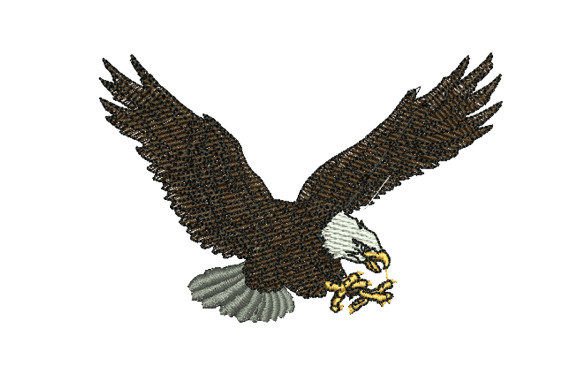
As a professional embroidery designer who spends countless hours testing files for commercial projects, I recently came across the Eagle Swooping Prey design on Creative Fabrica. Before downloading any file for a client order or a new Etsy listing, I take a moment to analyze the visual mood and practical potential of the artwork. This piece immediately caught my eye with its dynamic energy. The description notes that the embroidered eagle is about to land, spreading its wings to hunt for pitchers, inspired by a documentary where eagles stare at their prey from the sky. This specific imagery suggests a high level of drama and movement that could elevate a standard handmade product into something truly memorable.
When evaluating an embroidery file for real-world application, the first impression is often about the narrative. Does the design tell a story? In this case, the narrative is one of precision and power. Unlike static bird portraits, this design captures a split-second action. For creators looking to produce custom apparel, tote bags, or sweatshirt embroidery, this dynamic angle offers a unique selling point. It feels less like a generic clipart image and more like a scene captured in time, which can significantly enhance brand consistency and customer engagement for boutique merchandise.
Visual Appeal and Stitch Personality
The artistic personality of Eagle Swooping Prey relies heavily on how well the digitizer translated the concept of "swooping" into stitches. A design that claims to show an eagle hunting requires a balance of aggressive fill stitches to represent muscle and mass, contrasted with delicate satin stitch or running stitch details to define feathers and eyes. If executed correctly, the design should have a sense of flow rather than appearing stiff or blocky.
For those creating nursery decor or baby blankets, the intensity of the subject matter is worth considering. While the design is visually striking, it might be too bold for a soft, pastel-themed baby gift unless balanced with softer surrounding elements. However, for adult-oriented products like kitchen towels, aprons, or pillow covers, the dramatic nature of the bird fits perfectly. The idea of an eagle staring down its target adds a layer of sophistication that appeals to craft fair products and handmade shop owners looking for premium design assets.
Performance in Real Embroidery Work
Moving beyond the screen, the true test of any digital embroidery file is how it performs on fabric. When I consider using Eagle Swooping Prey for a commercial embroidery project, I look at the likely density and placement. The spread wings suggest a larger footprint, making it ideal for chest logos on custom apparel or center placements on tote bag designs. However, the complexity of the wing structure means that thread colors must be chosen carefully to ensure depth without overwhelming the viewer.
If you are planning to use this as an embroidered patch, the detail level becomes critical. Patches require clean edges and sufficient density to hold their shape when cut out. The description mentions the eagle is about to land, which implies intricate leg or talon work. These small details can sometimes get lost if the hoop size is too large for the machine's resolution or if the stabilizer choice is incorrect. For digital product sellers creating printable mockups, this design would serve as a powerful visual anchor, showcasing the potential of a finished product in a way that static images cannot.
Furthermore, the versatility of this design extends to seasonal handmade gifts. An eagle motif works exceptionally well for fall harvest themes, outdoor gear branding, or patriotic holidays. Its adaptability allows it to fit seamlessly into various collections, whether you are decorating caps with curved surfaces or adding a touch of wilderness to home goods.
Practical Considerations for Production
Before committing to a full production run, there are several technical factors that every embroiderer must address. The first step is always to test on scrap fabric. This is non-negotiable, especially when dealing with complex subjects like birds where feather texture is key. You need to verify that the stitch density is appropriate; too much density can cause puckering, while too little can leave gaps in the feathers.
Stabilizer selection is another crucial element. Because the design features a sweeping motion and likely dense areas, a cut-away stabilizer is often recommended for woven fabrics like cotton or linen used in tote bags and aprons. For stretchy fabrics, such as those found on sweatshirts or caps, a tear-away or heavy-duty stabilizer might be necessary to prevent distortion during the stitching process. Always confirm the file details and licensing on the Creative Fabrica product page before selling finished items to ensure compliance with your business terms.
Thread color contrast is also vital. The natural tones of an eagle—browns, blacks, and whites—must stand out against the background fabric. On dark fabric, lighter threads may require underlaying or multiple passes to achieve opacity. Conversely, on light fabric, darker threads need to be vibrant enough to carry the design's weight. Comparing light and dark fabric mockups digitally before stitching can save significant time and material costs.
Common Pitfalls to Avoid
- Small Hoop Sizes: Ensure your machine's hoop can accommodate the full width of the spread wings. If the design exceeds your hoop, you may need to re-digitize or resize, which could compromise quality.
- Tiny Lettering: If the design includes text, check that the font size is legible after stitching. Small details often blur on textured fabrics.
- Dense Stitch Areas: Excessive fill stitch density can make the fabric stiff, particularly on items like baby blankets or soft t-shirts.
- Curved Surfaces: Embroidering on caps requires a specific cap frame. Verify that the design has been optimized for curvature to avoid distortion.
- Frequent Washing: For items like kitchen towels or aprons that will be washed often, inspect the small details after the first wash to ensure the stitches hold up without fraying.
Impact on Product Value and Brand Trust
In the world of handmade commerce, the quality of the embroidery directly influences buyer trust. A poorly stitched eagle design can make a product feel cheap, whereas a clean, well-executed Eagle Swooping Prey elevates the perceived value. Customers are willing to pay more for items that demonstrate attention to detail and professional finishing. This design, with its unique inspiration from nature documentaries, offers a story that sellers can share in their product descriptions, enhancing the emotional connection with the buyer.
Whether you are creating personalized gifts or building a line of boutique merchandise, the decision to use this file should be based on how well it aligns with your brand identity. If your brand focuses on rugged, outdoor, or nature-inspired themes, this design is a natural fit. It provides a strong visual hook that can differentiate your offerings in a crowded marketplace.
Ultimately, the success of Eagle Swooping Prey in your hands depends on your preparation and execution. By testing thoroughly, choosing the right materials, and respecting the technical limitations of the machine, you can transform a digital file into a tangible masterpiece. Remember to review the specific stitch count, file formats, and license terms provided by the creator on Creative Fabrica, as these details vary and are essential for commercial use. With careful planning, this design has the potential to become a standout piece in your portfolio of machine embroidery designs.