In the Hoop Zipper Horseshoe Bag Review
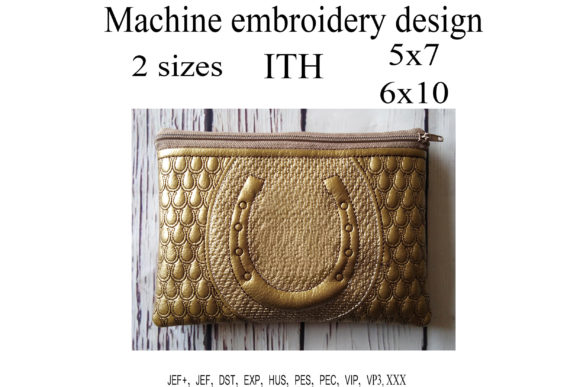
I have spent years designing and digitizing for the handmade market, and I know that the difference between a project that sits in your hoop forever and one that flies off the craft fair table often comes down to one thing: production efficiency. When I first laid eyes on the In the Hoop Zipper Horseshoe Bag, my mind immediately went to my weekend booth setup. As an experienced embroidery designer reviewing this for potential commercial use, I am looking at how it fits into the broader landscape of accessories and embroidery products that sell.
This is not just another digital file; it is a workflow solution. The description highlights that this is an In the Hoop (ITH) project suitable for beginners with a tutorial attached. For any Etsy seller or boutique maker, the promise of "no open seams" and a clean interior finish is music to my ears. It suggests a premium finished product that requires minimal post-production finishing, which is exactly what you need when you are trying to produce 50 units for a Saturday morning event.
First Impressions and Market Appeal
The title alone, In the Hoop Zipper Horseshoe Bag, evokes a specific aesthetic. It feels rustic yet functional, leaning heavily into the farmhouse and modern cottagecore trends that dominate handmade markets right now. The horseshoe shape is universally recognized as a symbol of good luck, making it an instant conversation starter. When customers walk past your display of embroidered patches, aprons, and tote bags, they will stop for something that looks like a lucky charm they can actually carry.
Visually, this design promises a bold focal point. Unlike a small logo placed on the corner of a tea towel, a zipper bag is a statement piece. It transforms from a simple piece of fabric into a functional accessory. The clean interior construction mentioned in the product details ensures that when a customer opens the bag, they see quality. There are no loose threads or raw edges to detract from the value. This attention to detail elevates the perceived worth of the item, allowing you to price it higher than a standard pouch.
Performance Across Product Categories
Where does this design shine the most? While it could technically be adapted for various items, its primary strength lies in its identity as a standalone accessory. However, let's look at how it interacts with other categories in your shop.
- Tote Bags and Market Bags: While a full tote is great, this smaller zipper bag serves as a perfect upsell. Imagine selling a large canvas tote alongside this compact zipper version. They complement each other perfectly in a booth display.
- Apron Embroidery and Tea Towel Embroidery: These are classic craft fair staples. If you already make these, adding the zipper bag to your lineup diversifies your inventory without requiring new equipment. It appeals to the same demographic looking for kitchen gifts.
- Embroidered Patches and Caps: You might be tempted to put this design on a cap, but the zipper mechanism makes it less suitable for curved surfaces. Keep this design as a flat or structured bag to maintain its integrity.
- Gift Sets: This is where the real money is made. A small shop product becomes a high-value gift set when paired with a matching apron or a set of kitchen towels. The zipper bag acts as the "hero" item that ties the set together.
Production Practicality and Batch Selling
As a designer preparing for a weekend fair, I need to know if I can crank out 30 of these in four hours. The fact that this is an ITH project with a zipper built-in is a massive time-saver. Traditional sewing would require cutting lining, zippers, and interfacing separately, then assembling them by hand. This design automates that process.
For batch production, the consistency is key. Because the machine creates the structure, every bag looks identical. This reliability is crucial for brand consistency. When a buyer sees three identical bags on your table, they trust the quality. Furthermore, the design photographs exceptionally well for online listings. The clean lines and defined shape make for sharp images on mobile screens, which is where most Etsy sellers get their traffic.
However, we must discuss the visual appeal carefully. Is it too busy? The description implies a focus on the horseshoe shape and the zipper functionality. If the stitch density is too high, it might look cluttered. If it is too light, it might lack the "premium" feel. You want the design to be readable from across the room. At a craft fair, customers do not lean in close; they scan. A clear, bold horseshoe motif works best here.
Critical Considerations for Success
Before you start stitching up inventory, there are several technical factors that can make or break your launch. Even though this is labeled as suitable for beginners, the devil is in the details of execution.
- Stitch Density and Thread Colors: Check the density of the horseshoe area. Dense areas can cause puckering on thinner fabrics, while sparse areas might look cheap on textured towels. Ensure your thread colors offer high contrast against your chosen fabric. A dark horseshoe on black fabric will disappear, killing the visual impact.
- Hoop Size and Stabilizer: Confirm the required hoop size before buying materials. Using the wrong stabilizer can lead to a misaligned zipper or a bag that is too stiff to function. Test the design on scrap fabric first to ensure the tension is correct.
- Fabric Texture: Avoid using highly textured fabrics like thick boucle or heavy terry cloth for the main body. The machine needle needs to penetrate smoothly, and the zipper teeth need to align perfectly. Smooth cottons or linens usually yield the best results for this type of ITH project.
- Commercial Licensing: Before selling finished products, verify the license terms. Some digital embroidery files allow personal use only, while others permit commercial sales. Make sure you have the rights to sell the finished zipper bags.
Final Verdict for the Creative Entrepreneur
The In the Hoop Zipper Horseshoe Bag has all the makings of a bestseller. It combines the practical utility of a zipper pouch with the charm of a lucky horseshoe, wrapped in a construction method that saves you hours of labor. It stands out in a sea of generic tote bags and simple patches because it offers a complete, polished solution.
For the craft fair seller, this is more than just a product; it is a booth highlight. It draws attention, encourages interaction, and provides a tangible sense of quality that justifies a higher price point. Whether you are listing it as a digital embroidery file for other makers or selling the finished physical goods, the versatility is undeniable. Just remember to test your samples, check your fabric choices, and ensure your marketing highlights the "clean and covered" interior that sets this apart from homemade alternatives.
If you are ready to elevate your handmade product line, this design deserves a spot in your next production run. It is a smart investment for any creative entrepreneur looking to expand their offerings in the accessories category.