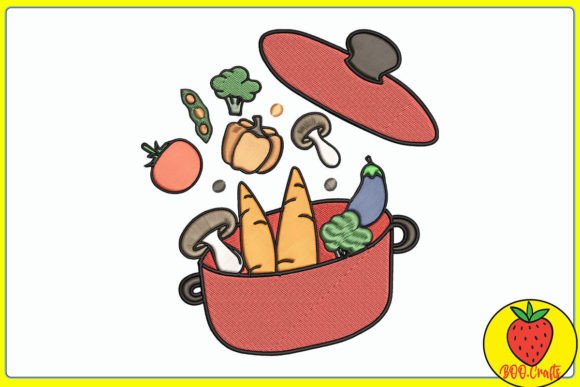
Pot Kitchen Embroidery Design Review
As an experienced embroidery designer who has spent countless weekends setting up booths at local craft fairs, I know that the difference between a design that sits on a shelf and one that sells out in an hour often comes down to visual impact and practical application. Today, I am reviewing the Pot Kitchen machine embroidery design with a critical eye, specifically for those of you looking to create high-quality handmade products for your Etsy shop, boutique, or weekend market display. When I first encountered this vibrant kitchen design, my immediate thought was not just about the file itself, but how it would translate into a physical product that customers want to hold.
First Impressions: Bold Vibes for the Modern Kitchen
The title Pot Kitchen suggests something grounded, rustic, and perhaps a bit playful. Based on the description provided, which highlights a "vibrant" aesthetic, this design feels perfectly suited for the farmhouse chic trend that continues to dominate the handmade market. It does not feel overly delicate or fragile; instead, it promises a bold statement that stands out against fabric backgrounds. For a craft fair seller, this is crucial because your booth needs to catch the eye from across the room. A design that feels premium and well-constructed will elevate the perceived value of your entire collection.
In the context of a handmade product line, Pot Kitchen offers a versatile appeal. Whether you are targeting home cooks who love rustic decor or modern bakers who appreciate colorful accents, this design bridges the gap between functional utility and decorative art. The vibrancy mentioned in the product details suggests it will photograph exceptionally well for online listings, which is a key factor for any Etsy seller trying to compete in a crowded digital marketplace.
Product Potential: Where Pot Kitchen Shines
When I imagine preparing a table display for a weekend craft fair, the versatility of Pot Kitchen becomes its strongest asset. It is not limited to a single item type; rather, it thrives as a focal point on various goods. Let's look at how this design performs across different categories:
- Tote Bags and Market Bags: This is arguably the best use case. A large, vibrant design on a canvas tote bag immediately signals quality. Customers love these items for grocery runs or beach trips, and the durability of the embroidery ensures the design lasts as long as the bag itself.
- Apron Embroidery: An apron featuring Pot Kitchen transforms a utilitarian garment into a gift-worthy piece. The design likely works beautifully centered on the bib or as a pocket accent, appealing to both amateur chefs and professional culinary enthusiasts.
- Tea Towel Embroidery: There is nothing quite like a set of embroidered tea towels to sell at a craft fair. They are affordable impulse buys that add instant charm to a kitchen. If the stitch density is appropriate, this design will look crisp on linen or cotton towel fabrics.
- Caps and Patches: For a smaller footprint, the design can be adapted into an embroidered patch or a cap front panel. These are excellent for adding variety to a booth display without taking up too much space.
- Home Decor: Pillow covers and small pouches featuring this motif allow buyers to bring the kitchen theme into other rooms of their home, expanding your potential customer base beyond just cooking gear.
Practical Selling and Production Insights
From a production standpoint, understanding how Pot Kitchen functions is essential for maintaining efficiency. One of the most important aspects of selling handmade products is batch production. If the design is too complex or requires excessive trimming and stabilizing changes, it will eat into your profit margins. Assuming the design is optimized for machine embroidery, it should offer a good balance between detail and speed.
For online sellers, the ability to create a printable mockup using this design is vital. A clear image showing the design on a dark apron or a light tote bag helps customers visualize the final result. The design should be scalable enough to work as a small accent on a hat or a large focal design on a wall hanging. However, you must be mindful of the resolution; if the original file contains tiny details, they may get lost when digitized for smaller items like patches.
Careful Use Notes: Avoiding Common Pitfalls
Even the best embroidery file can fail if the technical execution is overlooked. Before committing to a full run of inventory, there are several factors to consider regarding the Pot Kitchen design.
Stitch Density and Detail: If the design features dense stitching areas, ensure your machine can handle the thread tension without puckering the fabric. Conversely, if there are tiny details or small lettering, test them on scrap material first. On textured fabrics like thick terry cloth towels or heavy denim, fine lines might disappear entirely. Always check the clarity of the design on the actual fabric texture you intend to use.
Fabric Color and Contrast: The description mentions a "vibrant" design, which implies specific thread colors. To make the design pop, you need high contrast. A bright red pot on a dark blue background will look stunning, whereas the same design on a similarly colored background might look muddy. Test your color combinations before mass-producing.
Hoop Size and Stabilizer: Confirm the recommended hoop size for the design. Attempting to fit a large design into a small hoop can lead to distortion. Furthermore, using the right stabilizer is non-negotiable. For items like aprons or bags, a cut-away stabilizer provides the necessary support to prevent the embroidery from sinking into the fabric over time. For lightweight kitchen towels, a tear-away might suffice, but always prioritize stability.
Designer's Checklist for Success
To ensure your finished product meets the standards expected by craft fair attendees and online shoppers, follow this practical checklist before listing your items:
- Test on Scrap Fabric: Never start production without running a test on the exact fabric type you plan to sell.
- Check Thread Contrast: Ensure the chosen thread colors provide enough contrast against the fabric to maintain legibility.
- Review Spacing: Verify that the design fits comfortably within your intended garment area without cutting off edges or looking cramped.
- Inspect Stitch Density: Look for loose threads or skipped stitches during the test run to avoid quality control issues later.
- Create Real Mockups: Photograph the actual finished product, not just a digital render, to build trust with your customers.
- Confirm Commercial Licensing: Before selling finished products, double-check the license terms associated with the digital embroidery file to ensure you have the rights for commercial use.
Final Thoughts on Visual Appeal and Brand Consistency
The Pot Kitchen design has the potential to become a signature element in your handmade product line. It speaks to a lifestyle of warmth, creativity, and domestic joy. By carefully selecting the right materials and paying attention to the technical details of the embroidery process, you can create items that resonate deeply with buyers. Whether you are selling to a local community at a craft fair or reaching a global audience on Etsy, the quality of your execution determines the success of your brand.
Remember, customers are buying more than just a shirt or a towel; they are buying the story behind the design. A well-executed embroidered patch or a beautifully stitched kitchen towel tells a story of craftsmanship. With Pot Kitchen, you have a strong narrative tool in hand. Just remember to test, refine, and present your work with pride. In the world of handmade goods, attention to detail is what separates a hobby from a thriving business.