Adam and Eve: A Designer's Review for Small Business Merch
As an experienced embroidery designer who has spent years refining designs for commercial use, I approach every new digital file with a critical eye. When evaluating a machine embroidery design like the "Adam and Eve" piece, my focus shifts immediately from artistic appreciation to practical application. For small business owners, Etsy sellers, and apparel decorators, a design is not just an image; it is a production asset that must withstand wear, frequent washing, and the rigors of daily life. This review examines how this specific adaptation of the Garden of Eden narrative functions as a viable option for branded patches, staff uniforms, and custom merchandise.
First Impressions: Visual Personality and Brand Fit
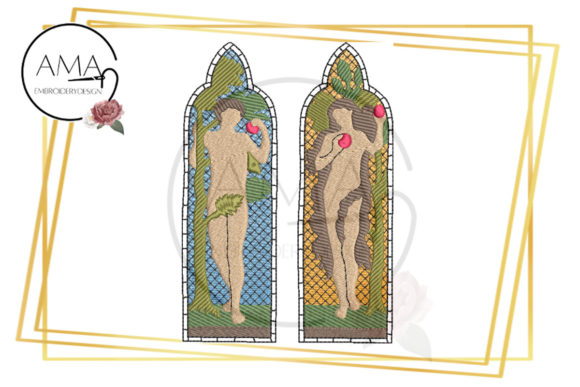
The description highlights a key element: red apples held in hands, symbolizing the first sin. Visually, this suggests a design that balances classic religious iconography with a touch of storytelling. In the context of brand identity, this design feels more than just decorative; it carries weight. It projects a sense of history, tradition, and perhaps a playful or rustic charm depending on the execution of the stitches. For a boutique bakery, a florist, or a creative studio, this could serve as a unique focal point that invites conversation.
However, the emotional tone matters. If your brand aims for modern minimalism, this design might feel too narrative-heavy. But if you are cultivating a handmade, artisanal, or vintage aesthetic, the "Adam and Eve" theme fits perfectly. It signals authenticity. The inclusion of the apple adds a pop of potential color contrast (red against neutral backgrounds) which is crucial for catching a customer's eye on a tote bag or a product label. It transforms a standard logo into a story-driven design asset.
Real-World Application: Where Does It Shine?
I have tested numerous files for various clients, and the success of a design often depends on where it is placed. The "Adam and Eve" design shows promise for several high-value applications:
- Embroidered Patches: This is perhaps its strongest suit. A circular or shield-shaped patch featuring the figures and the apple works beautifully on denim jackets, canvas bags, or even as a badge on a leather apron. The detailed nature of the story allows for a larger surface area, making it ideal for chest patches or back-of-jacket statements.
- Apron Embroidery: For bakeries, cafes, or craft workshops, placing this design on the bib of an apron creates a memorable employee uniform. It humanizes the staff and adds a layer of personality to the service experience.
- Tote Bag Design: A large-scale application on a canvas tote is excellent for retail brands. Customers love carrying unique items, and a well-executed "Adam and Eve" motif stands out against plain fabric, increasing brand visibility when they walk down the street.
- Cap Embroidery: While possible, this requires careful scaling. On a structured cap front, the apple detail can serve as a subtle accent next to a primary brand name, adding depth without overwhelming the wearer.
- Product Packaging Accents: Imagine a small tag sewn onto a handmade soap box or a clothing item. A miniature version of this design elevates the perceived value of the finished product, signaling that attention was paid to every detail.
Critical Considerations: Where to Exercise Caution
While the concept is strong, an experienced designer knows that not every design works everywhere. There are specific scenarios where the "Adam and Eve" file might struggle if not managed correctly.
Small Patch Sizes and Cap Fronts: If you attempt to scale this design down to a tiny 2-inch patch or a very small cap logo, you risk losing the definition of the figures and the apple. Fine details often blur when stitch density is forced into a small space. Always check the minimum recommended size before ordering production runs.
Stitch Density and Fabric Texture: Designs with complex outlines and figure work often require higher stitch density. If this file is too dense, it can cause puckering on lightweight fabrics or make the material feel stiff and uncomfortable. Conversely, on textured fabrics like heavy denim or coarse canvas, the design needs enough thread coverage to stand out. If the background fabric is too rough, the finer details might get lost in the weave.
Dark Uniforms and Color Contrast: The description mentions red apples. If you are embroidering this on dark navy or black uniforms, you must ensure the thread colors chosen provide sufficient contrast. Dark red on black can disappear entirely. You may need to add a light underlay or outline to make the design pop.
Frequent Washing: For items like work shirts or aprons that undergo industrial laundering, the stability of the design is paramount. Complex shapes with many curves (like the apple and fingers) can unravel if the stabilizer isn't used correctly or if the design lacks adequate fill stitches to anchor the edges.
Impact on Brand Identity and Customer Trust
In the world of small business merch, consistency is king. Using a high-quality, professionally digitized file like this one directly impacts customer trust. A sloppy, stretched-out design suggests a lack of care, while a crisp, well-placed "Adam and Eve" motif suggests professionalism and pride in your craft.
This design can enhance brand recognition by offering something distinct. In a sea of generic logos, a thematic design rooted in storytelling helps customers remember your brand. It creates an emotional connection, especially for businesses that value heritage, craftsmanship, or a bit of whimsy. When a customer sees a high-quality embroidered patch on a tote bag, they perceive the product as premium, which can justify higher price points and increase buyer engagement.
Practical Designer Notes for Production
Before you commit to a full production run, follow these essential steps to ensure the "Adam and Eve" design performs as expected:
- Test in Black and White First: Convert your mockup to grayscale to see if the contrast holds up without relying on color. This ensures the design remains legible regardless of thread choices.
- Check Small Size Legibility: Create a test run at your intended minimum size (e.g., for a chest logo or small patch). Inspect the apple and hands closely to ensure no lines merge or vanish.
- Review Thread Colors: Select threads that complement your brand palette but maintain high contrast. Red apples should be vibrant, not muddy.
- Inspect Spacing and Hoop Size: Ensure the design fits within your standard hoop sizes without requiring awkward re-hooping, which can lead to misalignment.
- Test on Real Fabric: Never trust a digital preview alone. Stitch the design on the actual fabric you intend to use. Check for puckering, bird nesting, or fabric distortion.
- Use Proper Stabilizer: For curved surfaces like caps or thick materials like denim, choose the right cut-away or tear-away stabilizer to support the stitch count.
- Create a Printable Mockup: Before sending orders to print shops, generate a realistic mockup for client approval. This prevents costly mistakes and ensures everyone is aligned on the vision.
- Compare Against Other Assets: Place this design alongside your existing logos and graphics. Does it match the visual language of your brand? Is the style consistent?
- Confirm Commercial Licensing: This is non-negotiable. Verify that the digital embroidery file comes with the appropriate license for commercial use, including the right to sell items made with the design. Do not assume permission is granted.
The "Adam and Eve" design offers a rich opportunity for small businesses looking to add character to their custom apparel and handmade products. By treating it as a serious production asset rather than just a pretty picture, you can leverage its storytelling potential to build a stronger, more recognizable brand. Whether applied to a staff apron, a limited-edition patch, or a signature tote bag, this design has the potential to become a beloved part of your brand's visual identity.