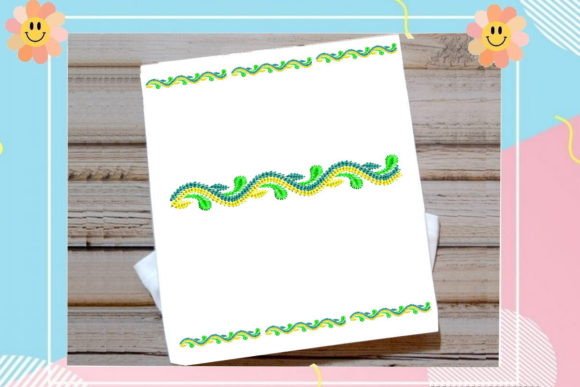
Green Border: A Designer's Review for Small Business Merch
As an experienced embroidery designer who has spent years refining digital assets for commercial use, I approach every new file with a critical eye. When evaluating Green Border, my primary focus is not just on how it looks on a screen, but how it translates to physical products like branded patches, staff uniforms, and boutique merchandise. The product description states that this design can make any fabric look sweet and modern, which sets a specific expectation for its visual personality. In the world of commercial embroidery, "sweet" often implies approachability and warmth, while "modern" suggests clean lines and contemporary appeal. This combination is powerful for small business owners looking to elevate their brand identity without appearing too corporate or overly rustic.
First Impressions and Visual Personality
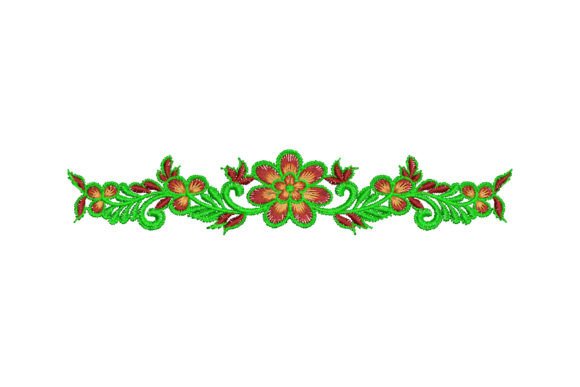
The name Green Border immediately suggests structure and framing. Unlike a standalone logo, a border design acts as an accent or a container for other elements. My initial assessment is that this design possesses a friendly yet professional aesthetic. It feels versatile enough to sit comfortably alongside a hand-drawn illustration for a bakery or a sleek typographic logo for a creative studio. The color green inherently evokes growth, freshness, and reliability, making it an excellent choice for florists, pet brands, eco-friendly shops, and organic bakeries.
When reviewing the design assets, the balance between decorative flair and functional simplicity is key. If the border is too intricate, it may lose definition when stitched at small sizes. However, if it is too simple, it might fail to add the "sweet and modern" touch promised in the description. For a handmade brand, this design needs to strike a delicate balance where it enhances the finished product rather than overpowering the main branding. It serves as a subtle frame that draws the eye inward, creating a cohesive look across various items.
Real-World Application for Small Businesses
Imagine a local café launching a line of branded aprons for their baristas. Integrating Green Border into the pocket area or along the hem could transform a standard work shirt into a signature piece of custom apparel. The border would act as a premium accent, signaling to customers that attention to detail matters. Similarly, for a boutique selling tote bags, this design could be used as a central motif or a repeating pattern along the strap. The versatility of an embroidery file like this allows it to function as a unifying element across a diverse range of products.
- Embroidered Patches: One of the most popular uses for border designs is creating custom patches. Green Border could frame a company mascot or initials, creating a distinct badge for staff jackets or customer loyalty programs. These patches add texture and value, making the item feel more substantial.
- Cap Embroidery: For headwear, a border design works well as a curved accent on the side panels or as a framing element around a front-center logo. It adds a layer of sophistication that plain stitching cannot achieve.
- Apron Embroidery: In food service or craft environments, an apron is a mobile billboard. Using this design on the bib or waistband ensures high visibility while maintaining a clean, organized appearance.
- Tote Bag Design: As a mark of quality, a border stitch on a canvas tote bag elevates it from a generic giveaway to a desirable small business merch item that customers want to keep and reuse.
Strategic Considerations and Limitations
While Green Border offers significant potential, there are specific scenarios where caution is required. Not all fabrics and surfaces are created equal. When planning to use this design on a cap, the curvature of the hat can distort straight lines. If the border relies heavily on fine details, the tension of the cap fabric might cause the stitches to pucker or blur. Therefore, testing the design on the actual material before full production is non-negotiable.
Another critical factor is size. Embroidery loses detail as it gets smaller. If you intend to use Green Border for a tiny patch on a collar or a small tag, the complexity of the border must be simplified. High stitch density in a small area can lead to a stiff, uncomfortable finish that customers might dislike. Additionally, textured fabrics like heavy denim or bouclé can hide the nuances of a modern border design, making it appear muddy. Dark uniforms also require careful thread selection; a light green border might get lost against black fabric unless a high-contrast underlay or thicker stitch width is used.
Frequent washing is another consideration for items like work shirts and aprons. Borders that are too close to the edge of the garment or have loose ends can snag during industrial laundering. Ensuring the design is anchored properly with the right stabilizer is essential for longevity.
Impact on Brand Identity and Customer Trust
In the competitive landscape of Etsy sellers and digital embroidery file buyers, visual consistency is paramount. Green Border contributes to a polished brand identity by providing a consistent visual language. When a customer receives a package adorned with matching embroidered accents, it signals professionalism and care. This attention to detail fosters customer trust and increases the perceived value of the handmade product.
A well-executed border design acts as a seal of approval. It tells the buyer that the creator took extra time to refine the presentation. For businesses offering event merch or corporate gifts, this level of polish can differentiate them from competitors who rely on cheap prints or basic logos. The "sweet and modern" vibe of Green Border can humanize a brand, making it feel accessible and welcoming while still maintaining a high standard of quality.
Practical Notes for the Embroidery Designer
Before committing to a large production run, I always recommend a rigorous testing phase. Here are essential steps to ensure success with this design:
- Test in Black and White: Convert the design to grayscale first to check contrast and spacing. This helps identify areas where stitches might crowd each other.
- Check Stitch Density: Review the density settings in your software. If the file is too dense, it will be difficult to embroider on thin fabrics. If it is too sparse, it may lack durability.
- Thread Color Contrast: Select thread colors that pop against your target fabric. Green can range from neon to forest, so choose the shade that best fits your brand palette.
- Inspect Spacing and Hoop Size: Ensure the design fits within your intended hoop size without requiring excessive trimming. Verify that the border aligns correctly with the edges of the garment.
- Use Proper Stabilizer: Always match the stabilizer type (cut-away, tear-away, or sticky) to the fabric weight to prevent puckering.
- Create a Printable Mockup: Before stitching, generate a printable mockup to show clients what the final result will look like. This aids in client approval and reduces revision cycles.
- Confirm Commercial Licensing: Most importantly, verify that you have the correct commercial embroidery license to sell products featuring this design. Do not assume personal use covers business applications.
If the specific stitch count, file format, or exact dimensions are not provided in the product details, do not guess. Contact the designer or supplier to confirm these technical specifications. Accuracy in these details prevents costly mistakes in production.
Final Verdict
Green Border presents itself as a robust tool for designers looking to add a touch of elegance and modernity to their projects. Its ability to adapt to various contexts—from embroidered patches to tote bag designs—makes it a valuable asset for any small business. By understanding its strengths and respecting its limitations regarding size and fabric, creators can leverage this design to build stronger brand recognition and deliver superior finished products. Whether you are decorating a uniform or crafting a unique gift, this border offers a reliable foundation for creative expression.