Blue Border: A Designer's Review for Boutique Sweatshirts
As an experienced embroidery designer, I spend my days evaluating digital assets to see if they hold up under the pressure of commercial production. When I first opened the file for Blue Border, I wasn't just looking at a pattern; I was visualizing it on a rack of premium garments in a cozy boutique. The product description promises that this design can make any fabric look sweet and modern, but does it truly deliver on that promise for a high-volume sweatshirt drop? After running through several mental mockups and considering the technical requirements of apparel decoration, here is my honest review of how Blue Border fits into a real-world small business strategy.
The First Impression: Mood and Modernity
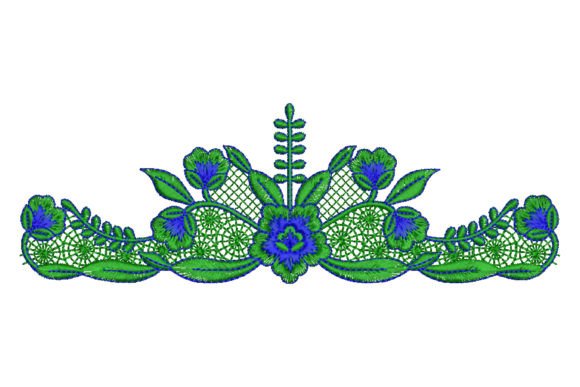
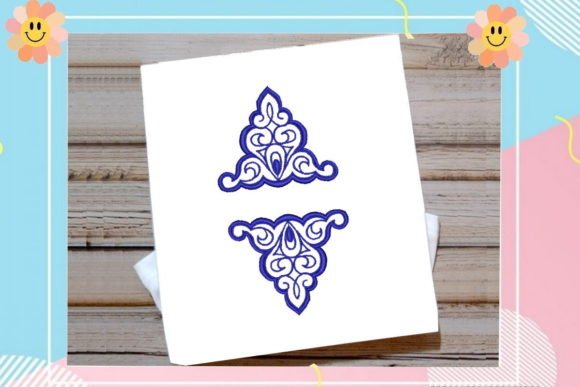
The name alone suggests a clean, linear aesthetic that feels both playful and sophisticated. In the world of machine embroidery design, borders often get a bad reputation for feeling dated or overly traditional. However, Blue Border appears to break that mold by leaning into a modern vibe. My initial assessment is that this embroidery file possesses a "sweet" quality that translates perfectly to the current market trend of soft, approachable branding. It avoids being too rigid, which is crucial when designing for sweatshirt embroidery where comfort and casual style are paramount.
If you are an Etsy seller or a small shop product owner looking to elevate your brand identity, this design offers a unique opportunity. The layout suggests a decorative element that can frame other details or stand alone as a statement piece. It feels less like a standard utility border and more like a curated design asset intended to add personality to a garment without overwhelming the wearer.
Visualizing the Drop: Fabric and Color Combinations
To truly understand the potential of Blue Border, we must imagine it in action across different colorways. For a limited sweatshirt drop, versatility is key. I envision this design looking exceptionally striking on neutral sweatshirts. On heather grey or oatmeal fabrics, the blue thread would pop with a crisp, professional finish, making the garment feel instantly elevated.
- Dark Fabrics: On navy or charcoal hoodies, the contrast provided by the blue border could create a subtle, tonal luxury look if the thread shade is carefully selected, or a bold graphic statement if the blue is bright.
- Pastel Colors: This is where the "sweet" aspect of the description shines. On blush pink or lavender oversized hoodies, the border adds a touch of whimsy that appeals directly to a younger demographic.
- Oversized Fits: For cozy seasonal apparel, the linear nature of a border works beautifully on the chest pocket area or running along the hemline of a cropped hoodie.
When photographing these items for lifestyle product photography, the clean lines of Blue Border will catch the light nicely, adding texture to the image that flat prints simply cannot achieve. It creates a tactile depth that encourages customers to click "add to cart."
Strategic Placement for Boutique Brands
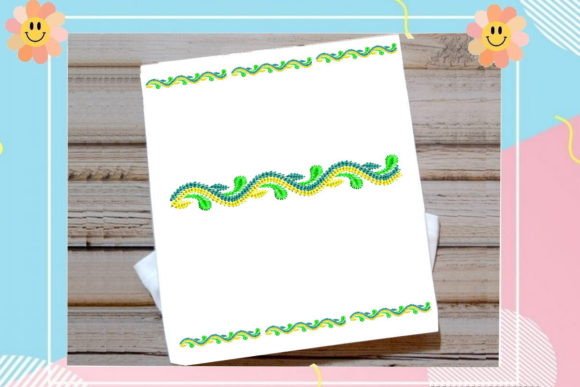
One of the biggest challenges for apparel decorators is knowing where to place designs to maximize impact. Blue Border is versatile enough to serve multiple roles in a collection. While a full chest placement is common, I recommend exploring sleeve accents for a more understated, high-end feel. Running the border down the forearm of a hoodie can signal a boutique brand that pays attention to detail.
For a larger statement, placing the border around the back yoke or as a wide band across the lower back can transform a basic tee into a collectible piece. This kind of customization is what drives customer engagement and builds trust in your handmade presentation. When buyers see a consistent use of a specific motif like this border, it strengthens their visual recognition of your store.
Technical Considerations for Production
Before hitting the start button on the machine, there are practical concerns that every digital embroidery file user must address. The success of Blue Border relies heavily on the execution of stitch density and thread selection. Because borders can sometimes suffer from puckering if the density is too high, it is vital to ensure the design has been optimized for stabilizer choice. For heavy cotton blends typical of sweatshirts, a cut-away stabilizer is usually non-negotiable to maintain the integrity of the design after washing.
Fabric thickness is another factor. If you are working with fleece or heavy Terry cloth, the needle penetration must be sufficient to anchor the stitches without causing the fabric to bunch. You should also consider the hoop size required for the design; if the border is long, you may need a multi-needle setup or a large hoop to avoid re-hooping, which can ruin the registration of the final finished product.
Small-size readability is a common pitfall in border designs. If you plan to scale this down for children's clothing or accessories, ensure the thread colors have enough contrast to remain distinct. A thin line of blue on a dark background might disappear if the thread count is too low. Always test a sample on the actual fabric before committing to a full run.
Adding Value and Brand Identity
In the competitive world of custom apparel, the difference between a generic item and a branded treasure often lies in the finishing touches. Using Blue Border allows you to inject a sense of polish into your handmade product line. It signals to the customer that this item was crafted with care, not mass-produced in a factory.
This level of detail affects product value significantly. Customers are often willing to pay a premium for items that feature intricate embroidery over simple screen printing because it feels more durable and luxurious. By integrating Blue Border into your commercial embroidery workflow, you are investing in a design asset that can grow with your brand.
However, remember that a great design requires the right preparation. Since exact stitch counts, file formats, and specific license terms were not detailed in the initial product overview, I strongly advise checking those specifications before production. Verify the recommended thread colors and ensure the design is compatible with your specific machine software. If you are creating printable mockup previews for your listings, make sure the digital rendering accurately reflects the texture of the embroidery so you do not mislead your audience.
Final Thoughts on Design Potential
Ultimately, Blue Border represents a strong candidate for any creative entrepreneur looking to expand their offerings. Its ability to blend sweetness with modern aesthetics makes it a flexible tool for decorating clothing items, home decor pieces, and many more categories. Whether you are launching a new collection or refreshing an existing one, this design has the potential to become a signature element of your brand.
By paying attention to the technical nuances of embroidery and strategic placement, you can turn a simple border into a powerful marketing tool. It invites customers to touch, feel, and appreciate the quality of your work, fostering a deeper connection with your small clothing brands or independent shop. With careful planning and a keen eye for detail, Blue Border can indeed make your next sewing project look exactly as sweet and modern as promised.