Football Mini Review for Small Business Merch
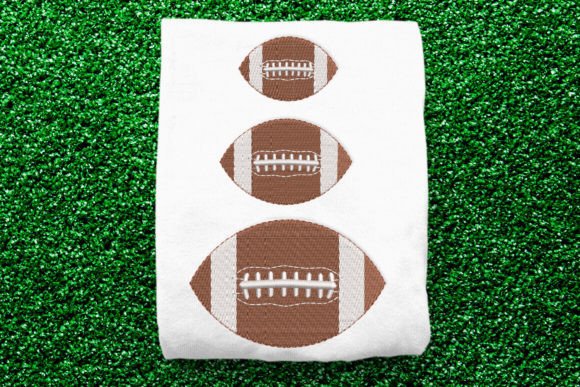
As an experienced embroidery designer who has spent years refining designs for everything from high-end corporate uniforms to quirky Etsy shop branding, I approach every new digital file with a critical eye. Today, I am reviewing the Football Mini, a design that claims to be perfect for fans, coaches, athletes, and cheerleaders. But beyond the fan base, does this embroidery file hold up as a viable asset for small business owners looking to create branded merchandise? Let's dive into the practical realities of using this Sports category design for commercial applications.
First Impressions: Playful Yet Professional
The moment you look at the description of the Football Mini, it strikes me as friendly and accessible. The title suggests a compact scale, which is often a double-edged sword in the world of machine embroidery design. For a boutique bakery or a local florist, a playful football motif might seem out of place unless used creatively as a subtle accent. However, for athletic apparel decorators, sports-themed gift shops, or coaching staff, this design feels like a natural fit.
The note regarding color changes is crucial. The instruction to "not color sort or combine colors" indicates a specific stitch path intended by the artist. This suggests a design that respects the mechanics of the machine, likely resulting in fewer thread breaks and a cleaner finish. When evaluating this for brand identity, the design appears to strike a balance between being decorative and functional. It doesn't scream "cheap novelty"; rather, it looks like a polished embroidered patch or a crisp chest logo that could elevate a simple work shirt.
Real-World Applications for Small Businesses
I have tested numerous designs on various surfaces, and the versatility of the Football Mini makes it an intriguing candidate for diverse product lines. Imagine a local café that wants to launch a line of branded tote bags. A subtle tote bag design featuring this mini football could appeal to customers who appreciate a sporty aesthetic without overwhelming the canvas. Similarly, for a handmade brand selling custom aprons, this design works beautifully as a pocket accent or a central chest logo on chef coats.
For those creating small business merch, the Football Mini shines as a cost-effective way to add value. Picture a pet brand launching a summer collection; adding these embroidered patches to dog bandanas or leashes creates a unique visual hook. In the realm of event merchandise, such as charity runs or community games, this design serves as a perfect custom apparel option for staff uniforms. It allows for quick recognition while maintaining a professional look.
When considering digital embroidery file usage for printable mockups, the clean lines of the Football Mini translate well to screens. Clients love seeing a realistic representation of how their brand will look on a finished product. If you are an Etsy seller, using this design on product labels or hang tags can significantly enhance the perceived quality of your handmade goods. It signals to the buyer that attention to detail matters, fostering trust and encouraging repeat purchases.
Strategic Placement and Design Limitations
While the potential is high, there are specific scenarios where caution is required. The term "mini" implies a smaller footprint, which is excellent for cap embroidery but demands precision. When placing this design on the front of a curved cap, the distortion of the fabric can alter the proportions of the football. I advise testing the hoop size carefully to ensure the curve of the hat does not stretch the stitches too tightly, leading to puckering.
Another area to watch is stitch density. If the design includes fine outlines or detailed textures, shrinking it down further for tiny accents might cause the threads to merge, losing definition. On dark uniforms or textured fabrics like heavy denim, the contrast of the thread colors becomes paramount. If the original file relies on light threads against a dark background, you may need to adjust the color palette to ensure visibility. Always inspect the spacing before committing to a bulk run.
Furthermore, items that undergo frequent washing, such as work shirts or athletic jerseys, require robust stitching. While the Football Mini seems suitable for these items, the durability depends heavily on the underlay and stabilizer choices. If the design is used as a standalone patch on a soft garment, ensure the backing is strong enough to withstand the friction of daily wear. For high-traffic areas like sleeves, consider reinforcing the placement to prevent premature wear.
Impact on Brand Identity and Customer Trust
In the competitive landscape of commercial embroidery, visual consistency is key. A poorly executed design can undermine the professionalism of a brand, whereas a well-placed embroidered patch can become a signature element. The Football Mini, with its clear separation of steps, offers a clean finish that reflects positively on the maker. It suggests that the business cares about quality, which directly influences customer engagement.
When a customer sees a neatly stitched logo on a tote bag or a uniform, it reinforces the handmade product narrative. It transforms a generic item into a personalized experience. For crafters and designers, using assets like this helps build a cohesive visual language across all touchpoints, from packaging to the final finished product. This consistency builds recognition, making your brand memorable in a crowded market.
Essential Designer Notes for Production
Before you load this file into your machine for a production run, follow these professional guidelines to ensure success. First, always test the design in black and white. This step helps you visualize the stitch density and layout without the distraction of color, ensuring the shape remains distinct at its intended size.
Review the thread color contrast against your specific fabric texture. A design that looks vibrant on a swatch might disappear on a rougher material. Check if the design works effectively at the smallest patch size you plan to offer; sometimes, details get lost when scaled down. Confirm the recommended hoop size and ensure your machine setup matches the artist's intent.
Use the proper stabilizer for the fabric type you are working with. Whether it is cut-away for knits or tear-away for wovens, the right support prevents distortion. Create a printable mockup for client approval before cutting any fabric. This step saves time and materials by catching potential issues early. Finally, compare this design beside other design assets in your library to ensure it aligns with your overall aesthetic. And most importantly, confirm the commercial licensing terms before using the Football Mini on products you intend to sell.
By treating every file with this level of scrutiny, you ensure that your embroidery shop delivers excellence every time. The Football Mini has the potential to be a staple in your catalog, provided you respect its technical requirements and apply it strategically within your brand's visual story.