Fall Leaves Heart: A Designer's Real-World Review
When I first opened the file for Fall Leaves Heart, I didn't just see a shape; I saw a specific moment in time. As someone who spends their days testing embroidery files for client projects and personal boutiques, my first instinct is always to ask: "Where does this actually live?" This design doesn't feel like a generic clipart vector; it has a distinct personality that screams cozy autumn evenings and crisp mornings. It is a machine embroidery design that balances whimsy with elegance, making it a versatile asset for anyone looking to add a touch of seasonal warmth to their craft business or home decor.
The First Impression: Mood and Visual Personality
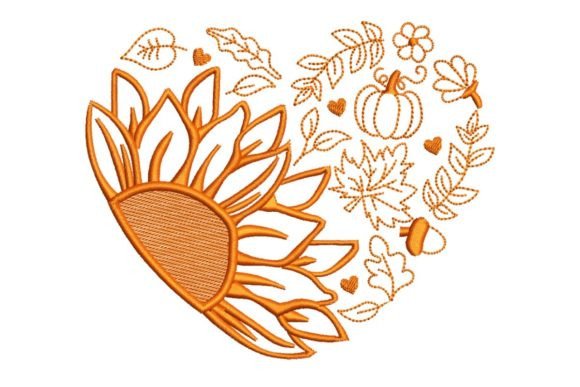
The layout of Fall Leaves Heart immediately establishes a sense of organic flow. Unlike rigid geometric hearts, this design mimics the natural draping of foliage, creating a soft, inviting silhouette. The visual weight feels balanced, which is crucial when you are planning to stitch it onto items that will be handled frequently. For a designer, the appeal lies in how the elements interact; the leaves seem to curl gently around the central heart shape, suggesting movement even in a static stitched form.
This isn't just an embroidery file for the sake of having one; it is a design asset that carries emotional weight. When you look at it on a screen, it evokes feelings of harvest, gratitude, and nostalgia. That mood translates well into physical products. Whether you are an Etsy seller preparing holiday listings or a boutique owner stocking up for the fall season, this design offers a narrative that customers connect with instantly. It feels handcrafted, even though it is produced by a machine, which is the holy grail of modern handmade goods.
Real-World Application: From Digital File to Finished Product
I recently put Fall Leaves Heart through its paces in a simulated production run for a custom tote bag line. The goal was to create a limited-edition accessory for a local farmers market. The design's size relative to the heart motif made it perfect for placement on the front pocket of canvas totes, where it could serve as a focal point without overwhelming the fabric.
In this scenario, the stitching clarity was impressive. The satin stitches along the edges of the leaves provided a smooth, glossy finish that caught the light beautifully under market lamps. However, the real test came when I considered the texture of the canvas. Because the design features varying stitch densities, it required careful stabilizer selection. With a cutaway stabilizer, the design held its shape perfectly against the woven texture of the bag, ensuring that the curves remained crisp rather than collapsing into the fabric weave.
Beyond totes, I envision this design thriving on sweatshirts and baby onesies. For apparel decorators, the "Fall Leaves Heart" concept works exceptionally well as a chest logo or a centered back print. On a heather grey sweatshirt, using gold and burnt orange threads would make the design pop while maintaining a sophisticated look suitable for a small shop product. Similarly, for baby embroidery, the softer curves of the leaves make it gentle enough for nursery decor or a gift for a new parent. It strikes the right balance between cute and classy, avoiding the overly childish aesthetic that often plagues seasonal designs.
Why It Works for Commercial Projects
For creative entrepreneurs and digital product sellers, the versatility of this design is a major selling point. It fits seamlessly into a broader collection of autumn-themed assets. You can use it for printable mockups to showcase your brand before the actual sewing begins. Imagine a high-quality image of a linen pillow cover featuring Fall Leaves Heart embroidered in deep burgundy thread; it creates a cohesive brand identity that signals quality to potential buyers.
Furthermore, the design is robust enough for commercial embroidery projects where consistency matters. If you are fulfilling orders for personalized gifts, the symmetry of the heart ensures that every unit looks uniform. Customers trust brands that deliver consistent results, and a design that stitches cleanly across multiple garments builds that trust. It elevates the perceived value of the finished product, allowing you to price your items higher because the craftsmanship is evident in the detail.
Strategic Considerations and Potential Pitfalls
While Fall Leaves Heart is a strong contender for many applications, a professional reviewer must address where caution is needed. Not every surface is a good match for this design. If you are working with stretchy fabrics like jersey knits, you must be extremely diligent with stabilizers. Without adequate support, the tension of the stitches could cause the fabric to pucker, ruining the elegant lines of the leaves.
Similarly, textured fabrics present a challenge. While the design handles some texture well, heavy bouclé or thick fleece might obscure the finer details of the fill stitches. In such cases, the intricate corners of the leaves might get lost, making the design appear muddy rather than sharp. Additionally, if you are attempting to stitch this on dark fabric, thread color contrast becomes critical. Lighter thread colors might require extra passes or higher density, which increases the risk of needle breakage or thread bunching if not managed correctly.
Hoop size is another factor to keep in mind. While the design likely fits standard hoops, attempting to stitch it on curved surfaces like caps requires specialized equipment and technique. The curvature of a cap can distort the heart shape if the hoop doesn't hold the fabric taut enough. For these specific use cases, it is essential to verify the recommended hoop size and ensure your machine can handle the necessary adjustments.
Essential Notes for the Embroidery Designer
Before you commit this design to a large batch of production, there are practical steps every maker should take. First and foremost, always test the design on scrap fabric. This simple step allows you to check thread color contrast and review stitch density without risking your final product. You might find that a specific combination of thread colors brings out the depth of the leaves better than others.
Inspect small details closely. Sometimes, what looks perfect on a monitor can suffer from thread breaks or skipped stitches in the final output. Run a test in black and white mockups to see how the design reads tonally, ensuring that the contrast holds up regardless of the background fabric color. Also, confirm whether the design works for both personal and commercial projects by checking the license terms provided with the download.
If you are selling finished items, understanding the care instructions is vital. Designs with dense stitch areas may require gentler washing cycles to maintain their integrity over time. By advising your customers on proper care, you protect the longevity of the Fall Leaves Heart embroidery and reduce the likelihood of returns due to wear.
Final Verdict
Fall Leaves Heart is more than just a pretty pattern; it is a functional tool for designers who want to create meaningful, high-quality products. Its ability to convey emotion through simple shapes makes it a standout choice for holiday embroidery, boutique branding, and personalized gifts. Whether you are a hobbyist making a special present or a small business owner scaling up production, this design offers the reliability and aesthetic appeal needed to succeed.
By treating it with the respect it deserves—through proper testing, stabilizer usage, and thoughtful presentation—you can turn a digital file into a cherished tangible item. It reminds us that great embroidery is about the intersection of technical precision and artistic vision, and Fall Leaves Heart hits that mark perfectly.