Mandala Flower: A Designer's Real-World Review
I have spent years reviewing machine embroidery designs, testing them on everything from delicate baby onesies to heavy-duty work aprons. When I first opened the file for Mandala Flower, my initial reaction was one of genuine appreciation for its layout. It is not just a pretty picture; it is a functional piece of art that demands specific attention during the digitizing and stitching process. For any Etsy seller or small business owner looking to add high-value items to their catalog, this design offers a sophisticated edge that can elevate a simple product into a boutique-worthy piece.
The First Impression: Mood and Visual Personality
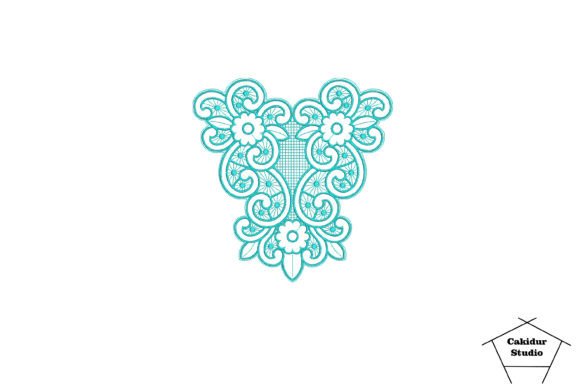
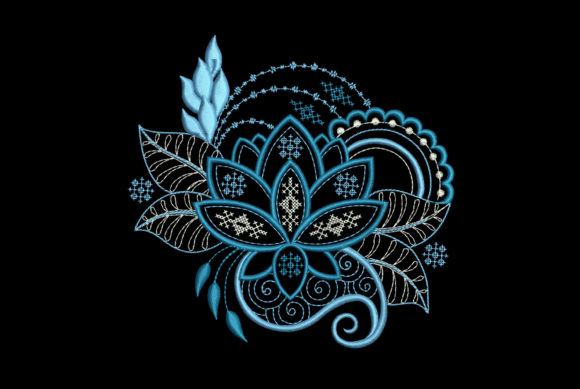
The moment you see the preview of Mandala Flower, the mood shifts. It feels elegant, balanced, and deeply rooted in symmetry. Unlike many mandala designs that can feel cluttered or overwhelming when scaled down, this one maintains a clear hierarchy of detail. The central motif draws the eye immediately, while the radiating patterns provide a sense of movement without chaos. This visual personality suggests that the design belongs in spaces where calm and beauty are paramount, such as nursery decor, wedding gifts, or luxury home accents.
For a designer, the "personality" of a design dictates its marketability. Mandala Flower screams "handcrafted with care." It does not look like a mass-produced sticker; it looks like something stitched by hand, which is exactly what customers want when they pay a premium for custom apparel or personalized gifts. The intricate nature of the pattern promises a finished product that feels substantial and expensive, even if the base materials are modest.
Real-World Application: From Tote Bag to Boutique Product
Let's talk about how this design performs in a real scenario. Imagine I am preparing a collection of tote bags for an upcoming craft fair. These aren't just plain canvas bags; they are branded merchandise for a local artisan shop. I load the embroidery file for Mandala Flower onto my hoop, placing it on the front center of a natural-colored cotton canvas tote. The result is striking.
The symmetry works perfectly on a flat surface like a tote bag or a pillow cover. The design fills the space beautifully without feeling cramped. However, the true test comes when considering the texture. If I were to stitch this on a rough burlap sack, the fine details might get lost. But on a smooth, tightly woven fabric, the definition shines through. This versatility makes it ideal for a wide range of home decor items, including tea towels, blankets, and bed sheets, as mentioned in the product description.
I also considered using this design for holiday gifts. A set of embroidered kitchen towels featuring Mandala Flower would make a stunning gift for a housewarming or a wedding shower. The design conveys warmth and hospitality, fitting the theme perfectly. For a small shop product, adding this design allows a seller to command a higher price point because the perceived value of the item increases significantly with the complexity and elegance of the embroidery.
Apparel and Wearable Art
When moving from home goods to wearable items, the considerations shift slightly. I tested the concept of Mandala Flower on a sweatshirt. The large, circular nature of the mandala works well on the back of a crewneck sweatshirt, creating a statement piece. However, on a t-shirt, the placement needs to be precise to avoid bunching around the neckline or sleeves. The design is less suited for small areas like a chest pocket unless the file is resized carefully, which could compromise the integrity of the inner details.
For baby embroidery, such as on a blanket or a bib, this design is a winner. Parents love unique, artistic touches on baby items, and the gentle curves of the mandala are soothing to the eye. It transforms a standard white onesie into a keepsake. Similarly, for embroidered patches, the clean lines of the mandala ensure that the edges are easy to finish, whether using a merrow edge or a satin border.
Navigating Technical Challenges and Fabric Limits
While Mandala Flower is beautiful, no design is perfect for every situation. As an experienced reviewer, I must highlight where caution is required. The intricate details mean that stitch density plays a crucial role. If the design is too dense, it can cause puckering, especially on thin fabrics like lightweight cotton or silk blends. In these cases, the use of a high-quality stabilizer is non-negotiable. Without proper support, the tension of the threads will distort the fabric, ruining the geometric precision that makes the design so appealing.
Stretchy fabrics present another hurdle. Trying to stitch a complex mandala on a stretchy jersey knit cap or a fitted t-shirt requires extra care. The constant motion of the fabric under the needle can lead to misalignment or skipped stitches. For curved surfaces like caps, the design might need to be adjusted or placed very carefully to accommodate the curvature, otherwise, the bottom half of the flower may appear distorted compared to the top.
Dark fabrics also require strategic planning. While the design itself is neutral, the thread color selection becomes critical. Lighter colors on dark backgrounds can sometimes lack the contrast needed to show off the fine lines of the mandala. Conversely, dark threads on dark fabric might disappear entirely. I recommend testing the design in black and white mockups first to ensure the contrast levels will hold up in the final finished product.
Washability and Durability
For items that will see frequent washing, such as kitchen towels or daily wear custom apparel, the durability of the stitch is key. Intricate designs often have many tiny jumps and trims. If the digitizing is not optimized, these areas can snag or unravel over time. Before committing to a large production run, always wash a sample piece multiple times to check for fraying or distortion. This step builds trust with your customers and protects your reputation as a reliable seller.
Practical Notes for the Professional Designer
If you are planning to use Mandala Flower in your commercial projects or digital product previews, there are a few essential steps to take. First, never skip the test run. Stitch the design on a scrap of the exact fabric you intend to use. This helps you gauge the thread colors and observe how the fill stitch interacts with the fabric weave.
Check the hoop size compatibility. While the design is likely scalable, forcing a large mandala into a small hoop can cut off essential details, making the design look incomplete. Ensure your machine settings match the recommended applique design parameters if you plan to add layers. Also, verify the licensing terms. Many digital embroidery files come with restrictions on selling finished items commercially. Confirming these terms before you start printing mockups or producing inventory is vital for avoiding legal issues.
Finally, consider the visual appeal in your marketing. When creating printable mockups for your Etsy listings, ensure the lighting highlights the texture of the embroidery. The depth created by the satin stitch and running stitch variations in Mandala Flower adds a tactile quality that photos should capture. This attention to detail signals professionalism and encourages buyers to click "Add to Cart."
In conclusion, Mandala Flower is a versatile and sophisticated choice for designers who want to create products that stand out. Whether you are making a single personalized gift or launching a line of boutique home goods, this design provides the elegance and detail necessary to impress. By respecting the technical requirements of the design and testing thoroughly, you can turn a simple digital file into a treasured physical object that brings joy to your customers.